
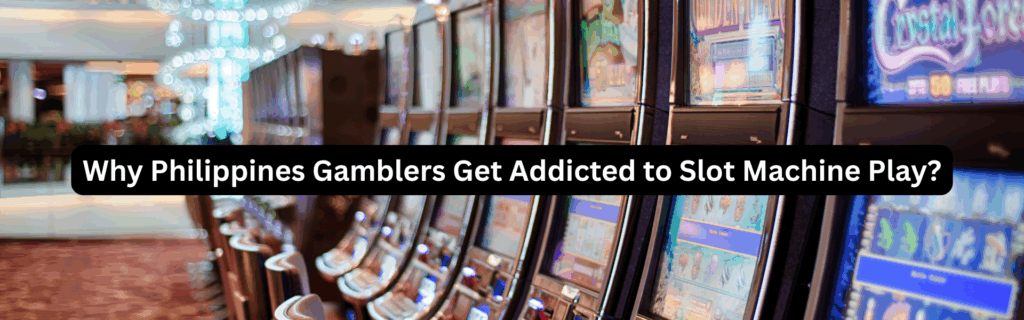

Play Slot Machine Is So Addictive for Filipinos: How to Stop and Break Free stop-slots-machine-addictive

Ever wonder why pulling that lever or hitting ‘spin’ on an online slot machine feels so hard to resist? For many Filipinos, playing slot games online can shift from fun to something much harder to control. This popular form of online gambling in Philippines isn’t just luck; slot machines are designed specifically to keep you engaged.
The bright flashing lights, exciting sounds and animations, and the constant chase for that big jackpot tap right into our brain chemistry, making slot machine play incredibly addictive.
Understanding why slot games hook Pinoy players is the first step. It’s about how these modern slot machines work, the powerful psychological hooks they use, and why some gamblers find it tough to stop playing even when it becomes a gambling problem.
Machines are designed to create an intense experience that can lead players to get hooked, sometimes developing a full gambling disorder. Let’s look at the real reasons this happens and find clear ways to stay safe.
What Makes Slot Games So Addictive
The Brain’s Reward System Hijacked

Online slot machines directly target our brain chemistry. When you bet and win, even small amounts, your brain releases dopamine—a feel-good chemical.
This makes playing slot machines thrilling. But here’s the hook: slot games machines operate on a variable reinforcement schedule.
Wins are unpredictable, so your brain keeps chasing that next high.
Studies like those from the University of Waterloo show this randomness makes slot game play far more addictive than other online casino games like poker or online blackjack.
Your brain gets tricked into thinking a big jackpot is just one reel spin away, pushing you to keep playing long after you planned to stop. This is why many online gamblers become addicted without realizing it.
Near-Misses and the “Almost Won” Trap In an Online Casino Platform
Modern slot machines use near-misses—showing two winning symbols and one just off the line—to create false hope. Research like Dixon et al proves near-misses activate the same brain pathways as actual wins. For example, seeing ₱ almost line up tricks you into feeling you were “close,” fueling the urge to gamble again.
This illusion of control is deliberate; online slot machines are designed to make losses feel like near-victories. Combined with flashing lights and celebratory sounds, and animations, these near-misses exploit behavioural psychology to keep online betting going.
Sensory Overload and Losses Disguised as Wins
The sights and sounds of online slot machines are weapons of addiction. Flashing lights, upbeat music, and animation during every spin—even losses—create excitement. A “win” of ₱5 on a ₱20 bet might trigger celebratory sounds, making you feel victorious despite losing money. This sensory bombardment masks losses and distorts reality.
Players lose track of time, entering a “machine zone” where hours vanish. This immersive environment, paired with games of chance mechanics, forms a powerful gambling addiction where casino slot games are hard to resist.
Why Slot Machines Hit Harder for Filipino Players
Cultural Roots and Normalized Gambling

Gambling isn’t new in the Philippines—it’s woven into their culture. Traditional casino games of chance like sakla and local card games paved the way for modern online gambling activities. Today, slot machines are a popular form of online gambling, especially with the rise of video lottery terminals in neighborhoods.
This form of gambling cultural acceptance makes gambling as a form of entertainment feel normal, even when risks grow. Many Filipinos start playing online slot games casually during fiestas or family gatherings, not realizing how quickly gambling problems can develop. The line between social fun and compulsive gambling blurs easily.
Economic Pressures and the “Big Win” Dream

For some Pinoys, online slot games represent hope. Facing daily financial stress, players chase jackpots, believing one spin could solve money problems. This dream fuels reluctance to stop, even after losses pile up.
Electronic gaming machines like video lottery terminals or online slots are a popular form of gambling and accessible everywhere—from sari-sari stores to mobile apps—making it easy to gamble on slot machines anytime. With GCash enabling instant deposits, betting feels painless until debts mount. Studies link this “escape” mentality to higher rates of gambling disorder among low-income groups.
Digital Accessibility and the Mobile Trap

Online gambling platforms turbocharge addiction. Apps offer Turbo Spin Slots, letting players fire 500+ spins/hour during commutes or work breaks. These immersive, fast-paced online slots use sounds and animations to replicate online casino excitement.
Combined with targeted ads on social media, they normalize slot play as everyday fun. The result? Filipinos lose track of time, ignoring anxiety or depression worsened by losses, and keep gambling online. Video lottery and online slots now drive over 60% of gambling revenue nationally—proof of their grip.
Breaking Free: Practical Steps to Overcome Slot Machine Addiction
Set Hard Limits with Digital Tools

The first defense against problem gambling is concrete boundaries. Pinoy online gambler should set a Daily Loss Limit feature to cap spending. If you set a ₱1,000 daily maximum, the online casino Philippines platform blocks further betting once reached. Complement this with GCash transaction alerts.
For online slots, activate reality-check pop-ups every 30 minutes—these disrupt the “machine zone” trance. Studies confirm that program-based limits reduce reluctance to stop by 73%. Remember: slot machines operate on endless cycles; you must manually break them.
Replace the Ritual; Don’t Just Remove It
Gambling addicts often use slot game spin as a form of escape from stress or boredom. Removing it leaves a void. Fill it with healthier coping mechanisms: Join a basketball league, learn online sabong analysis (without betting), or volunteer.
For every hour you’d typically play slots, dedicate 45 minutes to a hobby. This rewires your brain’s reward system away from gambling as a form of dopamine hit. Mindfulness apps also help—5 minutes of breathing exercises cuts urge intensity by 40% when passing an online casino in Philippines.
Seek Structured Support Systems

Overcoming slot machine addiction rarely succeeds alone. Connect with groups like Gamblers Anonymous Philippines, which offers free Tagalog meetings. For severe cases involving substance abuse or depression symptoms in everyday life, consult Pagcor-accredited counselors.
Structured programs address root causes like financial distress or anxiety, or depression—critical reminder: Problem gamblers often hide losses due to feelings of guilt. Sharing openly breaks this isolation—proven to slash relapse rates.
Playing Smart: Your Path to Responsible Slot Enjoyment
Slot machines are often the face of modern online casino culture, but understanding their nature empowers you. While the gambling industry’s tactics—like variable reinforcement schedules and sensory overload—can create an illusion of control. Remember this: slot games operate on a variable system programmed for profit. True understanding of the nature of these games of chance helps break their spell.
Choose platforms like Pesobet that prioritize player safety. Our Pagcor-certified slots offer transparent 96.5% RTP—meaning fewer losses chased over time. We provide tools: deposit limits, cooling-off periods, and links to the National Council on Problem Gambling (NCPG). If problems and depression symptoms in everyday life predict struggles with dark flow during slots play, contact NCPG’s free hotline or these local numbers immediately!
Recovery isn’t about never playing; it’s about balance. Replace endless spins with healthier coping mechanisms—join community sports, explore hobbies, or practice mindfulness. Groups like Gamblers Anonymous offer proven programs.
Remember: Real winning is freedom. When gambling as a form of entertainment stops being fun, stop playing. You hold the power to overcome slot machine addiction and protect your joy, family, and future.
Register an account at Pesobet and start betting online with us.
FAQs: Slot Machine Addiction in the Philippines
1. How do people get addicted to slot machines?
The nature of slot machines makes them highly addictive. They use addiction by design—features like near-misses, flashing lights, and variable rewards hijack the brain’s reward system. Gambling research (like studies in the Journal of Gambling Studies) shows machine gamblers often lose track of time and chase losses. Anyone may become addicted, especially with easy access to online slots via GCash.
2. What are the signs I’m a gambling addict?
Key red flags:
- Spending more money than planned on slot machines due to urges.
- Failed attempts to stop playing.
- Feelings of guilt or hiding your gambling activities.
- Letting problems and depression symptoms in everyday life predict your mood. If you predict dark flow during slots play (total immersion despite losses), seek help.
3. Are slots more addictive than casino table games?
Yes. Slot machines operate on psychological tricks (variable reinforcement schedules, sensory overload) absent in table games like blackjack or poker. The psychology of addictive behavior shows machine gamblers develop compulsive gambling 3× faster than other gamblers.
4. Do casinos design slots to be addictive?
The gambling industry acknowledges this. Slot machines are programmed to pay out unpredictably, creating false hope. Addiction by Design (Schüll, 2012) reveals how modern slot machines exploit cognitive biases. This has serious implications for gambling harm in the Philippines.
5. Can you beat slot machine addiction?
Absolutely. Overcome slot machine addiction by:
Using Pesobet’s deposit limits to control spending more money.
Joining free programmes like Gamblers Anonymous.
Understanding the odds of winning is always against you—machines are programmed to pay the house long-term.